Podcast: Queer Ecology, the Imagination, and Lost Landscapes
Anastrophes Collective podcast, 2026. I take a walk along the course of the River Fleet with artist Christie Swallow and talk about the city as a landscape and the life of imagination.
Anastrophes Collective podcast, 2026. I take a walk along the course of the River Fleet with artist Christie Swallow and talk about the city as a landscape and the life of imagination.
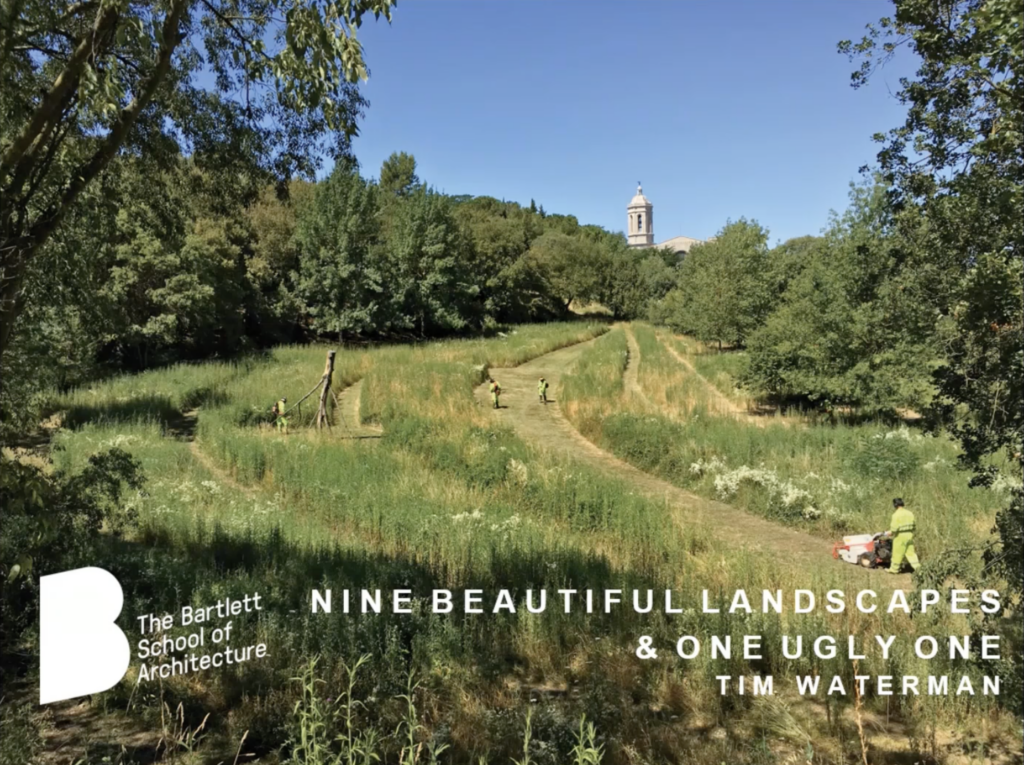
Through a tour of sites, I talk about how the ideas underpinning landscape design have changed, including the flourishing of new approaches to ‘design by management’, and how this might change landscape architectural practices and processes in the future. Lincoln University School of Landscape Architecture, New Zealand, 2025.
Earthliness, worldliness, and globality all provide different frames for thinking about life on our planet. They also provide different frames for ‘worlding’—the creation and maintenance of shared mental worlds that both arise from and result in earthly landscapes of everyday life. This talk will range from cartography and colonialism to utopianism and resistance to show how crucial it is to understand and remake ways in which worlds are made in the architectures. These are worlds not merely found in the built environment, but inside our heads. HOPES conference, Eugene, Oregon, 2024.
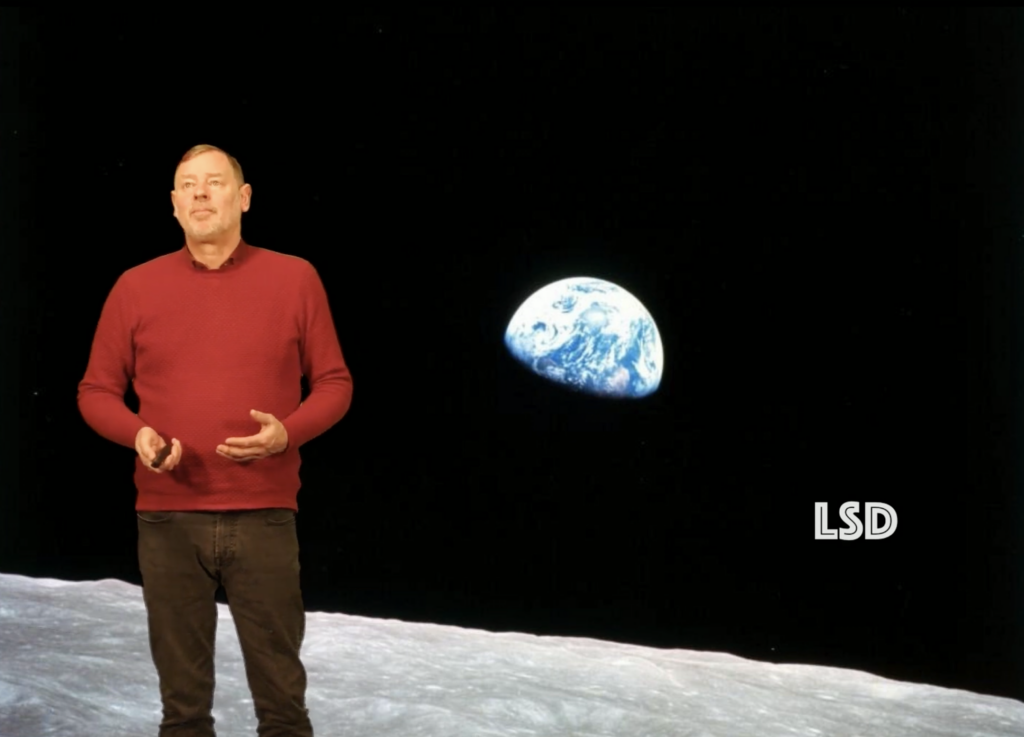
Landezine featured lecture, 2024. On the power of ecological thinking and the expanded mind.
Keynote lecture for the Barcelona Landscape Biennial, 2024. A talk on the power of the secular concept of grace.

Hybrid seminar: Sarah Ensor and Tim Waterman in conversation, thinking through queer futurity in today’s world. Queering Urbanism is an online and hybrid event series initiated by B.Queer, The Bartlett Faculty of the Built Environment’s network for lesbian, gay, bisexual, trans, queer, intersex, asexual (LGBTQIA+) students, staff and allies. 2023.
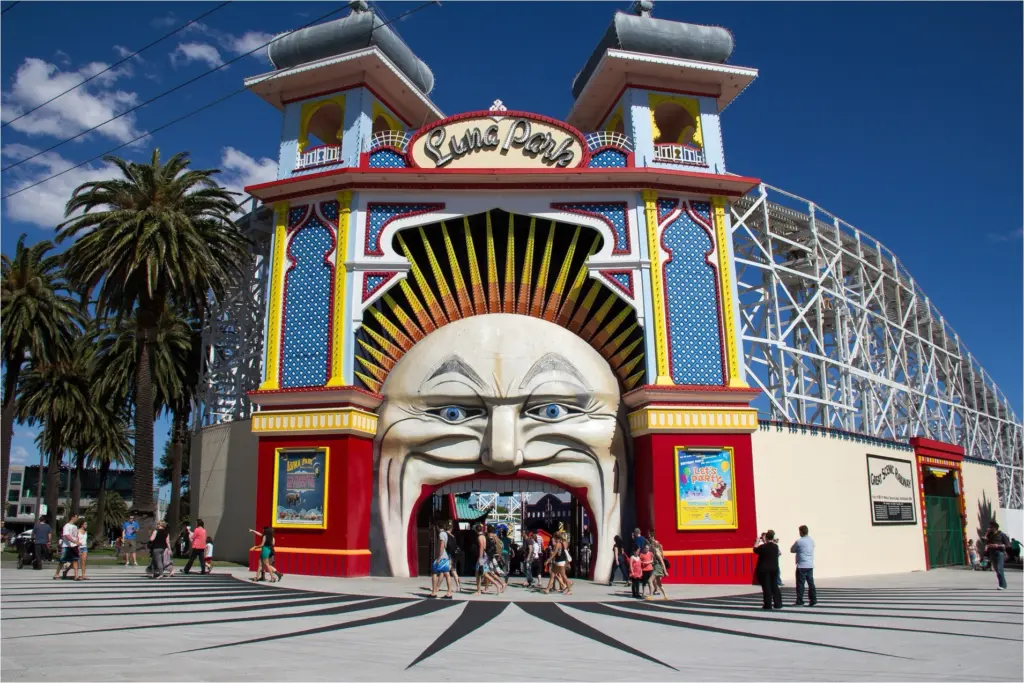
Taste and appetite in the construction of everyday life and the public imagination provide a key for understanding how conceptions of utopia can be rescued from abstraction and be employed to effect real positive change in substantive landscapes. Landscape Urbanism lecture at the Architectural Association, 2023.
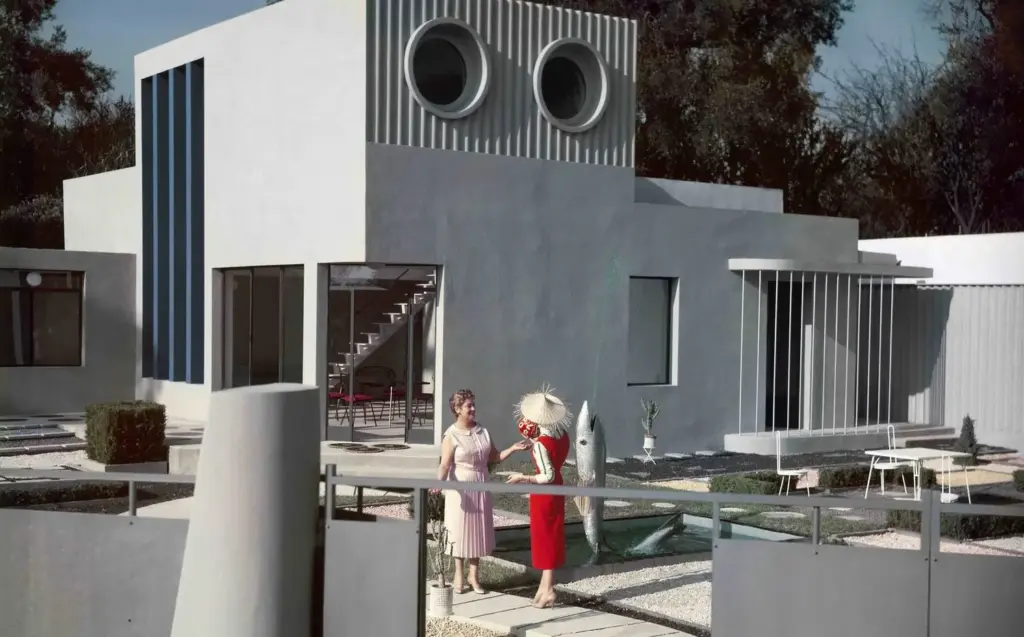
This lecture explores how models of care involving a critical (or queer ecocritical) distance can provide a different way of thinking for design. Based in the idea of life economies and a life drive, it gives examples ranging from the 1950s new town of Harlow in Essex to Jacques Tati’s influential film Mon Oncle. Thinkers and Doers lecture series, University of Wellington, New Zealand, 2020.
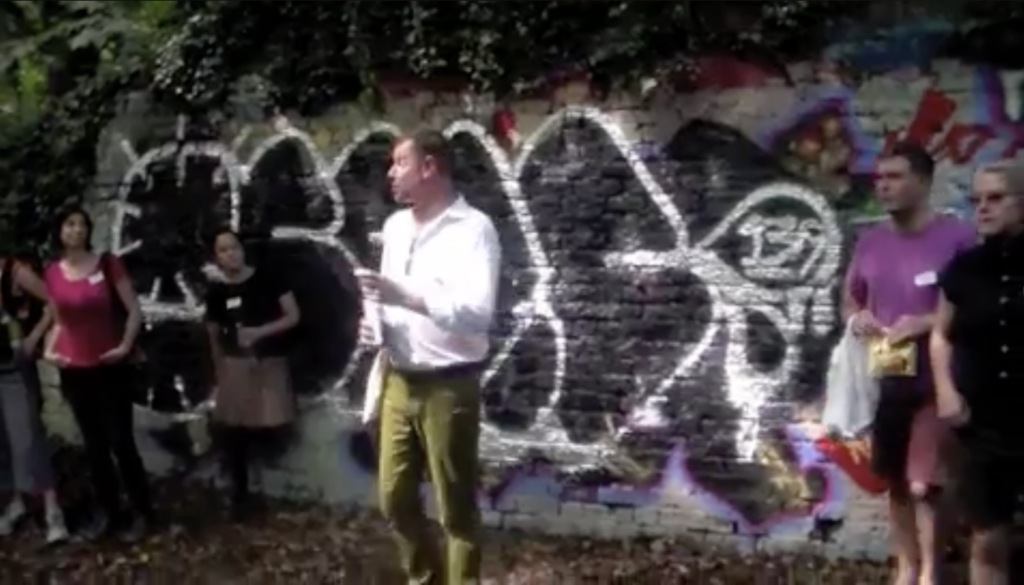
“Death needs time for what it kills to grow in” wrote William S Burroughs. True, but so is its opposite. Life needs what death kills to grow in. Hope has its roots in ruin. This walk, along a disused railway line between Finsbury Park and Highgate explores how vicious nature and the ruthless engines of urban decay can show us a new way of imagining utopia. This was part of the SEFT-1 Abandoned Railways Exploration Probe - Modern Ruins 1:220 at Furtherfield Gallery, 2014.