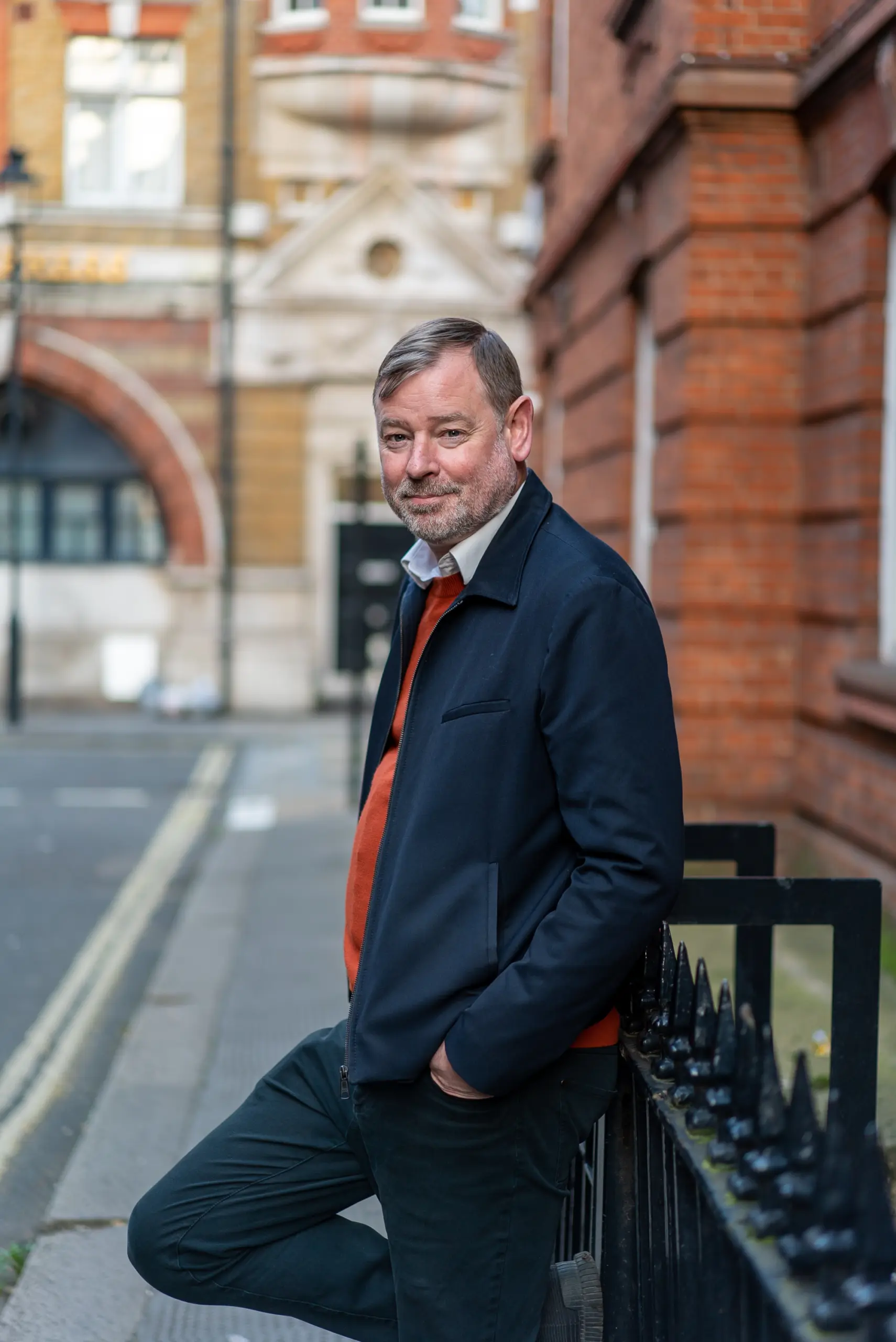
Tim Waterman is Professor of Landscape Theory at the Bartlett School of Architecture, University College London. His research addresses imaginaries: moral, political, social, ecological, radical, and utopian. This forms the basis for explorations of power and democracy and their shaping of public space and public life, taste and manners, and foodways in community and civic life and landscape.
He is an advisor to the Centre for Landscape Democracy of the Landscape and Spatial Planning Institute at NMBU in Norway and a member of the scientific committees for the Barcelona Landscape Biennial and the Permanent European Conference for the Study of the Rural Landscape (PECSRL). He also serves on the editorial advisory group for Landscape Research journal. He is the author of The Landscape of Utopia: Writings on Everyday Life, Taste, Democracy, and Design, a collection of essays and journalism, and editor of Landscape Citizenships with Ed Wall and Jane Wolff, Landscape and Agency: Critical Essays with Ed Wall, and the Routledge Handbook of Landscape and Food with Joshua Zeunert. He is currently at work on a four-book series on aesthetics, culture, and the imagination called Reworlding. His writing has appeared in a variety of journals including the Journal of Architecture, Garden Design Journal, Utopian Studies, Landscape Research, and Landscape Architecture Magazine.
He is the author of the textbook Fundamentals of Landscape Architecture, which is in its second edition from Bloomsbury and, with Ed Wall, Basics Landscape Architecture: Urban Design. These have been translated into eight languages. He has formerly been Chair of the Landscape Research Group, Vice President of the European Council of Landscape Architecture Schools (ECLAS) and a Non Executive Director at the arts organisation Furtherfield.
He is a former restaurateur (The Vox Coffeehouse in Moscow, Idaho) and classical and rock musician (Nirvana opened for my band in their early years) and because of that background he aims for a future that is both a little bit tasty and a little bit rock and roll. Our cities, countryside, suburbs, and wilderness need great landscape thinking to accomplish this. He can still often be found on a stage with a microphone, but nowadays he’s talking instead of singing.